Engineered HDPE and PP Pipe Systems for Industrial and Municipal Infrastructure
Houston PolyTank manufactures industrial-grade PP and HDPE pipe systems using an extrusion-wound process that delivers uniform wall thickness, monolithic structural integrity, and superior chemical resistance. Engineered for both buried and above‑grade service, these systems are specified for chemical conveyance, municipal water and wastewater, high-temperature process piping, and high-specific-gravity materials — built for decades of dependable service with minimal maintenance.
Why
Extrusion-Wound Construction Outperforms Fabricated Pipe
Houston PolyTank pipe systems are produced using the same proven extrusion-wound process used in our tank systems — a manufacturing method that delivers structural performance that fabricated or commodity pipe cannot replicate:
Seamless, monolithic construction
Uniform wall thickness throughout
High hoop strength
Superior corrosion resistance
Long service life with minimal maintenance
Wall thicknesses range from 0.5 inches to 3.5 inches
Inside diameters (ID) from 24 in (610 mm) up to 13 ft (4,000 mm) with additional sizes available as needed.
Custom thicknesses and additional sizes available as needed
This is engineered infrastructure. Not commodity pipe.
Material Options for Performance
We manufacture pipe systems using two high-performance polymer materials, selected based on chemical compatibility, operating temperature, pressure, and application requirements:
- High-density polyethylene (HDPE) for applications up to 120°F
Polypropylene (PP) for high-temperature applications:
up to 180° F for chemical applications
- 200° F for water and hot air (ductwork applications)
Metal Mesh Reinforced Pipes
Where Steel-Mesh Strength Meets the Corrosion Resistance of High-Grade Plastics
Houston PolyTank’s Metal Mesh Reinforced Pipes are manufactured using the patented Hybrid Polymer Pipe and Tile forming process (U.S. Patent No. 10,766,209) — a proprietary method that embeds structural mesh layers such as metal, carbon fiber, fiberglass, and other reinforcements directly into the polymer matrix during extrusion winding. This patented process produces a reinforced composite pipe with exceptional hoop strength, superior rigidity, and long-term dimensional stability under internal pressure, burial loads, and continuous-duty operation.
For demanding industrial and municipal applications where both chemical resistance and structural strength are required, Metal Mesh Reinforced Pipe delivers performance that commodity pipe systems cannot match.
Structural Advantages over Standard Polymer Pipe
The integrated mesh layer delivers measurable performance gains:Increased hoop strength and rigidity under load
Improved resistance to deformation under internal pressure and burial loads
Up to 2x stronger than standard plastic pipe systems
Chemical‑resistant inside and out
Thermal expansion behavior similar to metal (with higher metal loading)
Adjustable specific gravity (<1.0 or >1.0)
Carbon fiber options for static dissipation
Faraday cage effect for electromagnetic shielding
Extrusion-Wound, Monolithic Construction
Mesh Reinforced Pipes share the same proven extrusion-wound construction used across Houston PolyTank's full product line:
Seamless, monolithic construction
Controlled extrusion‑winding for dimensional uniformity
Consistent wall thickness from end to end
No weak points, introduced by fabrication or assembly
Structural integrity maintained under thermal cycling, burial loads, and continuous-duty operation
Applications
Mesh Reinforced Pipes are specified for:
High‑pressure conveyance systems
Structural load and deep burial environments
Industrial wastewater conveyance
Chemical processing infrastructure
Municipal water and wastewater systems
High‑specific‑gravity material transport
Applications requiring both chemical resistance and structural reinforcement
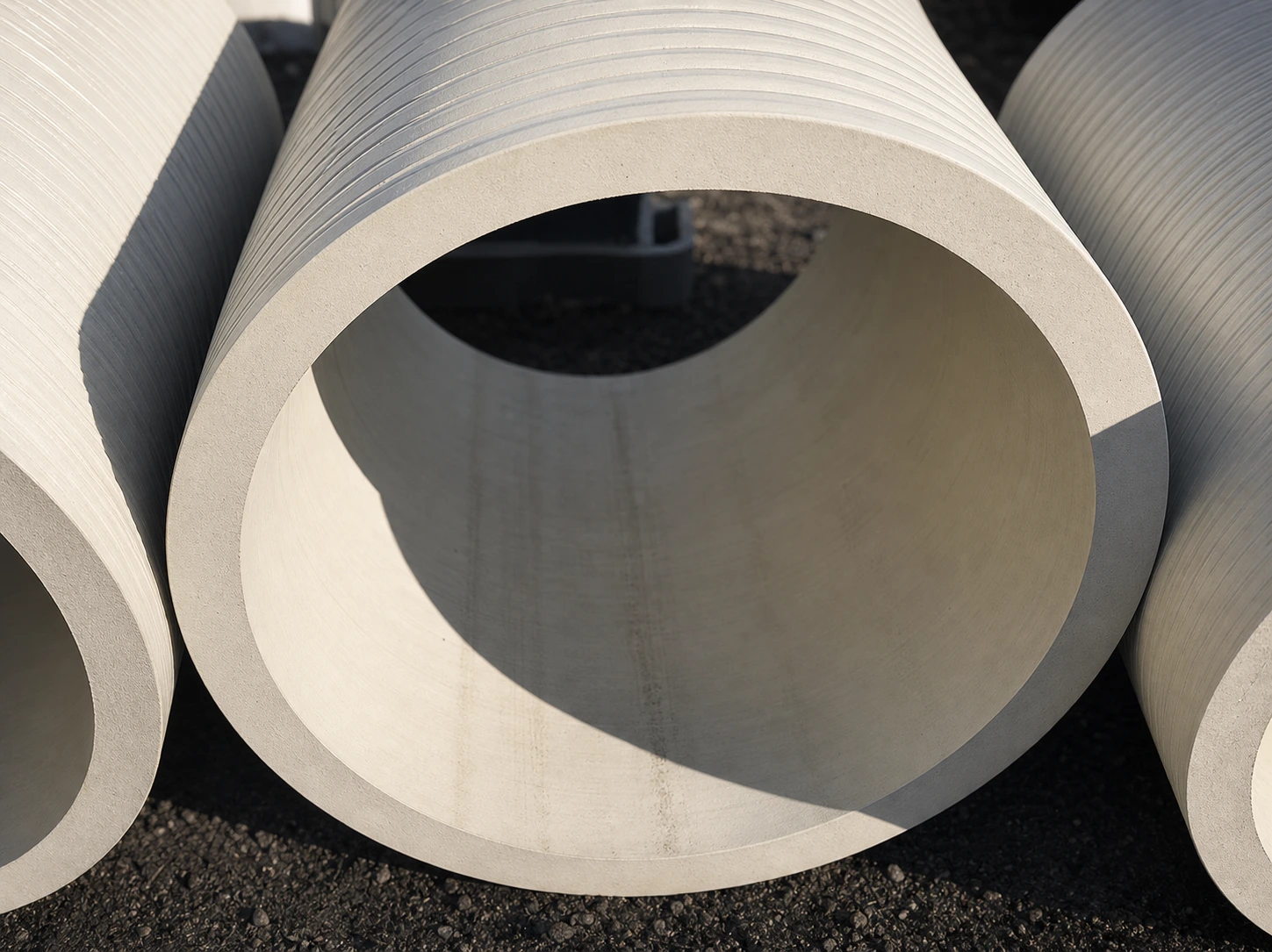
Examples of large‑diameter PP pipe produced using the patented Hybrid Polymer Pipe forming process.
Ductwork
The
Same Proven Construction. Built for Gas, Fume, and Particulate
Conveyance
The
structural integrity, corrosion resistance, and uniform wall
thickness that make Houston PolyTank pipe systems the engineered
choice for liquid conveyance apply equally to industrial gas and
particulate handling; where commodity duct materials routinely fail
under corrosive, high-temperature, or continuous-duty conditions.
Specified
for Industrial Exhaust and Fume Handling
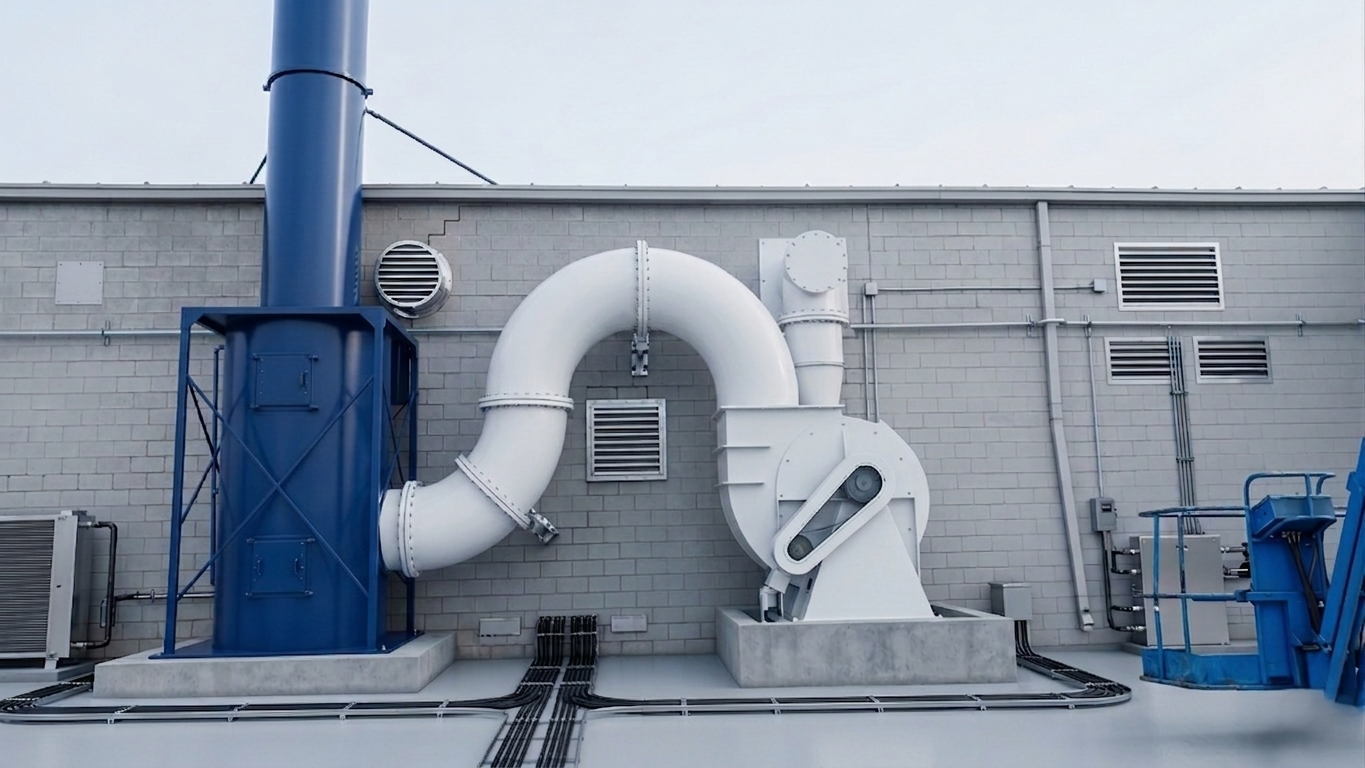
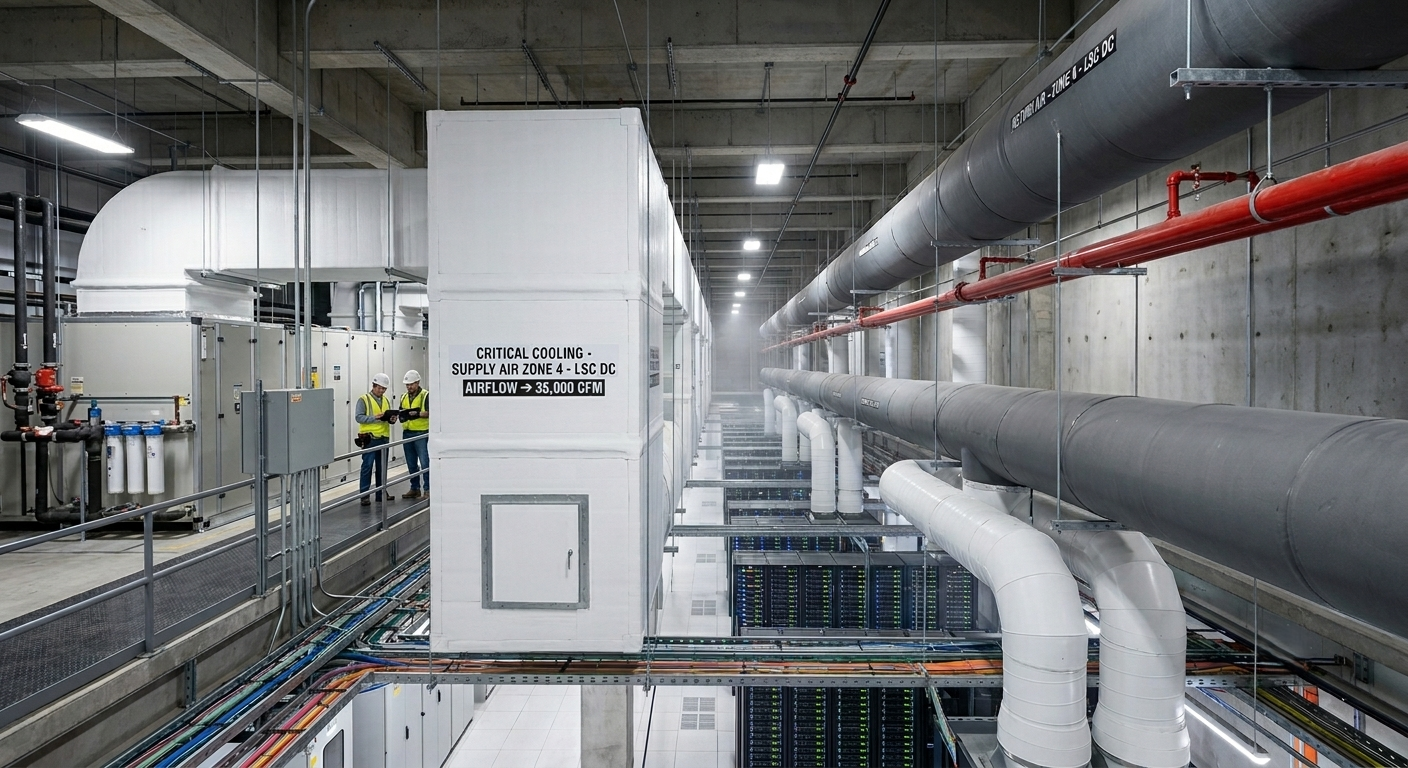
Houston PolyTank ductwork systems are specified for industrial environments where corrosive gases, hazardous fumes, and airborne particulates demand a conveyance solution that commodity duct materials cannot reliably deliver:
Industrial exhaust systems
Chemical fume extraction
Shop floor and process ventilation
Sanding and dust collection systems
Laboratory hood exhaust
Hazardous particulate conveyance
Ductwork in industrial environment
Tank venting systems
Large Scale Data Collection centers
Material Selection
- High-density polyethylene (HDPE) for applications up to 120°F
Polypropylene (PP) for high-temperature applications:
up to 180° F for chemical applications
- 200° F for water and hot air (ductwork applications)
Specifications
Available in diameters from 2 to 13 feet with wall thicknesses from 0.25 to 3 inches, and custom lengths to meet project-specific requirements.